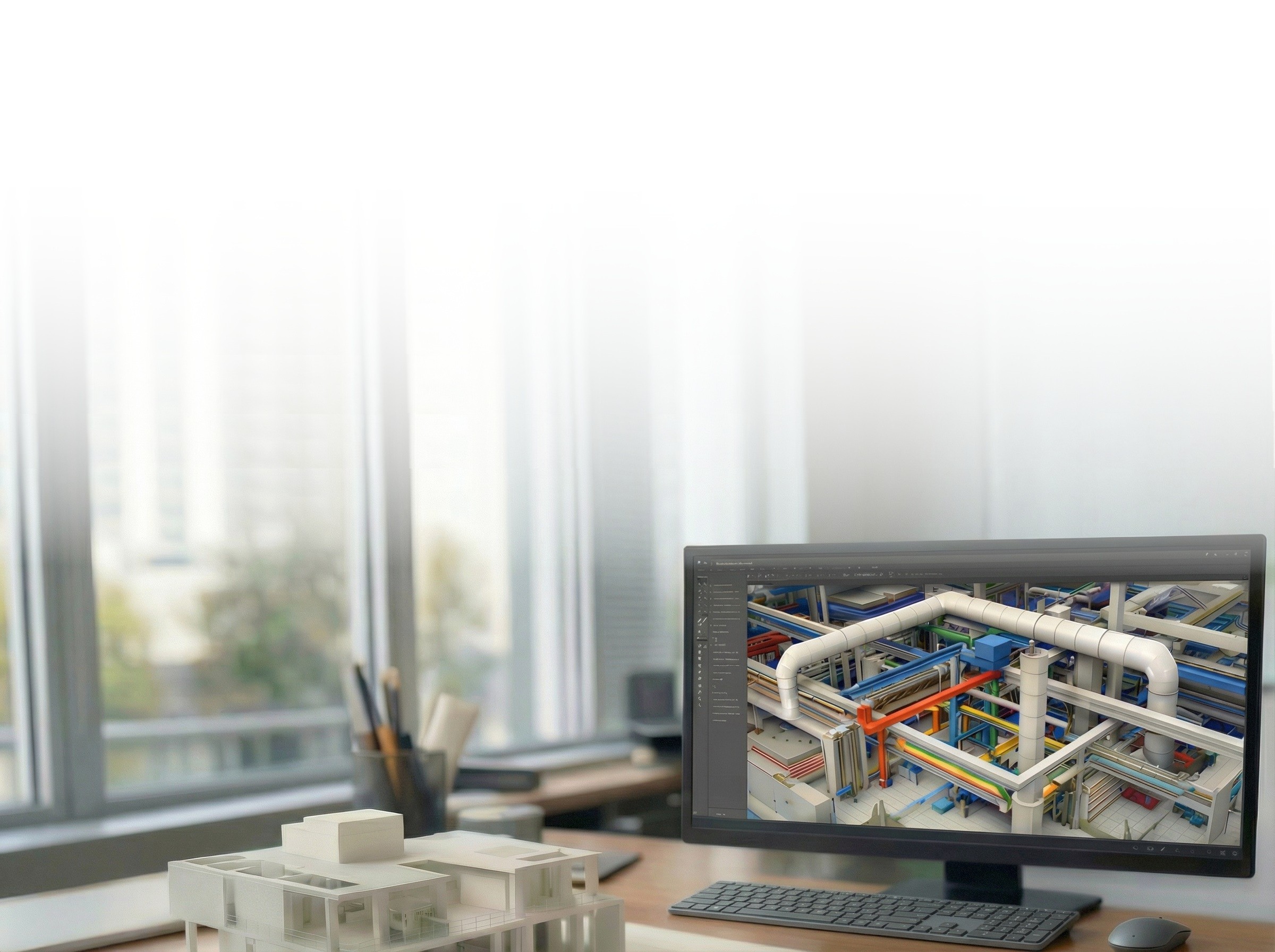
Building Information Modeling Resources
Guides, BIM Modeling Insights & BIM Tools for the Construction Industry
Building information modeling is transforming the construction industry by creating a digital representation of physical and functional characteristics across the entire project lifecycle. As a shared knowledge resource, BIM improves coordination, information exchange, and digital transformation throughout the AEC sector.
However, as BIM adoption increases, many organizations face a new challenge. They must scale BIM modeling capacity efficiently during workload peaks without increasing permanent headcount or infrastructure.
Building Information Modeling Resources
Guides, BIM Modeling Insights & BIM Tools for the Construction Industry
Building information modeling is transforming the construction industry by creating a digital representation of physical and functional characteristics across the entire project lifecycle. As a shared knowledge resource, BIM improves coordination, information exchange, and digital transformation throughout the AEC sector.
However, as BIM adoption increases, many organizations face a new challenge. They must scale BIM modeling capacity efficiently during workload peaks without increasing permanent headcount or infrastructure.
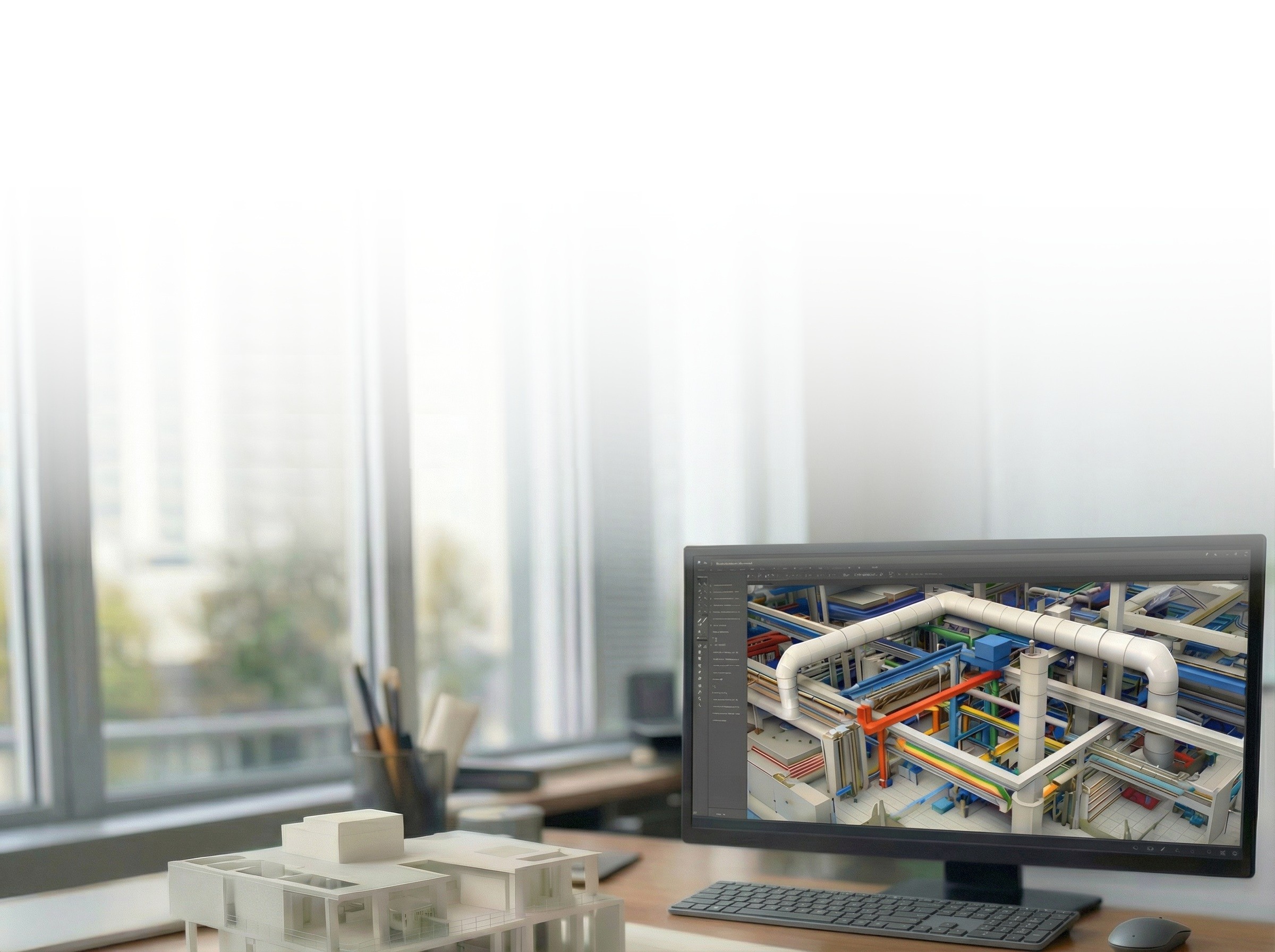
Building Information Modeling Resources
Guides, BIM Modeling Insights & BIM Tools for the Construction Industry
Building information modeling is transforming the construction industry by creating a digital representation of physical and functional characteristics across the entire project lifecycle. As a shared knowledge resource, BIM improves coordination, information exchange, and digital transformation throughout the AEC sector.
However, as BIM adoption increases, many organizations face a new challenge. They must scale BIM modeling capacity efficiently during workload peaks without increasing permanent headcount or infrastructure.
This resource hub helps construction professionals, structural engineers, facilities managers, and project owners understand how BIM workflows, modeling, and modern BIM tools improve project delivery, energy efficiency, cost management, and long-term building operation. It also highlights how structured production workflows and secure digital environments support scalable project delivery.
What Is Building Information Modeling?
BIM is a digital process used to create and manage a model containing structured project information throughout a building’s lifecycle.
It provides a digital representation of:
Physical and functional characteristics
Building systems
Asset information
Cost-related information
Construction progress
Design intent
By applying BIM during the design phase, construction begins with reliable information, reducing risk and improving collaboration across project stakeholders.
Digital construction like this supports licensed engineers, design teams, and construction professionals by organizing project data into coordinated models that can be reviewed, refined, and approved throughout the lifecycle.
BIM is a digital process used to create and manage a model containing structured project information throughout a building’s lifecycle.
It provides a digital representation of:
Physical and functional characteristics
Building systems
Asset information
Cost-related information
Construction progress
Design intent
By applying BIM during the design phase, construction begins with reliable information, reducing risk and improving collaboration across project stakeholders.
Digital construction like this supports licensed engineers, design teams, and construction professionals by organizing project data into coordinated models that can be reviewed, refined, and approved throughout the lifecycle.
Why Building Information Modeling Matters in the Construction Industry?
The construction industry is undergoing rapid digital transformation. BIM plays a central role in improving collaboration among parties involved in a construction project.
It enables:
Better coordination between project teams
Clear information management within a common data environment
Improved clash detection before reaching the construction site
Structured project information exchange
Greater transparency across the project lifecycle
For project owners and facilities managers, BIM ensures that asset information remains accessible long after construction begins and continues through building operation and maintenance.
As BIM becomes standard practice, organizations increasingly require scalable BIM modeling workflows supported by secure BIM tools and centralized digital environments.
The construction industry is undergoing rapid digital transformation. BIM plays a central role in improving collaboration among parties involved in a construction project.
It enables:
Better coordination between project teams
Clear information management within a common data environment
Improved clash detection before reaching the construction site
Structured project information exchange
Greater transparency across the project lifecycle
For project owners and facilities managers, BIM ensures that asset information remains accessible long after construction begins and continues through building operation and maintenance.
As BIM becomes standard practice, organizations increasingly require scalable BIM modeling workflows supported by secure BIM tools and centralized digital environments.
Understanding the BIM Process
The BIM process supports the entire building process from conceptual design through facilities management.
Conceptual Design & Design Phase
During the design phase, the design team develops the BIM model to reflect the project’s functional characteristics and design intent. Structural engineers, civil engineering teams, and AEC professionals collaborate within a shared digital platform.
Building information modeling supports structured coordination while engineering judgment remains the responsibility of licensed professionals.
Building Operation & Facilities Management
After completion, facilities managers use BIM data to support operations, energy monitoring, asset management, and long-term building performance. Structured information modelling supports lifecycle continuity and informed decision-making.
Construction Phase
As construction begins, the BIM model provides reliable project information to construction professionals on site. Mobile devices and cloud-connected platforms enable real-time access to BIM data, ensuring the project team works with accurate and current information.
Understanding the BIM Process
The BIM process supports the entire building process from conceptual design through facilities management.
Conceptual Design & Design Phase
During the design phase, the design team develops the BIM model to reflect the project’s functional characteristics and design intent. Structural engineers, civil engineering teams, and AEC professionals collaborate within a shared digital platform.
Building information modeling supports structured coordination while engineering judgment remains the responsibility of licensed professionals.
Building Operation & Facilities Management
After completion, facilities managers use BIM data to support operations, energy monitoring, asset management, and long-term building performance. Structured information modelling supports lifecycle continuity and informed decision-making.
Construction Phase
As construction begins, the BIM model provides reliable project information to construction professionals on site. Mobile devices and cloud-connected platforms enable real-time access to BIM data, ensuring the project team works with accurate and current information.
BIM Modeling and Its Role in Digital Transformation
BIM modeling creates a structured digital representation of built assets, supporting information modelling across the AEC industry.
Through advanced modeling, BIM delivers tangible improvements at every stage of a project.
BIM Modeling and Its Role in Digital Transformation
BIM modeling creates a structured digital representation of built assets, supporting information modelling across the AEC industry.
Through advanced modeling, BIM delivers tangible improvements at every stage of a project.
Construction progress can be tracked accurately
Construction progress can be tracked accurately
Cost-related information can be analyzed early
Cost-related information can be analyzed early
Information exchange between stakeholders improves
Information exchange between stakeholders improves
Project coordination becomes more transparent
Project coordination becomes more transparent
Modern BIM workflows increasingly integrate digital technology such as augmented and virtual reality, enhancing visualization and planning accuracy.
As organizations adopt building information modeling more widely, the ability to execute proper modeling efficiently and securely becomes critical. Structured workflows, standardized deliverables, and access to licensed BIM tools within secure cloud workspaces help maintain consistency and reduce operational risk.
Modern BIM workflows increasingly integrate digital technology such as augmented and virtual reality, enhancing visualization and planning accuracy.
As organizations adopt building information modeling more widely, the ability to execute proper modeling efficiently and securely becomes critical. Structured workflows, standardized deliverables, and access to licensed BIM tools within secure cloud workspaces help maintain consistency and reduce operational risk.
BIM Tools and BIM Software in the AEC Industry
Effective BIM tools and software are essential for implementing building information modeling successfully.
These tools support:
Clash detection
Information modelling workflows
Common data environment management
Asset information tracking
Building management systems integration
Energy-efficient system analysis
When deployed inside centralized, secure digital workspaces, BIM tools enable construction teams and facilities managers to maintain a consistent digital representation of built environment assets throughout the project lifecycle.
By leveraging advanced tools within structured workflows, AEC professionals can:
Improve information management
Support better coordination
Reduce project delays
Enhance communication across stakeholders
Secure access to licensed BIM tools is increasingly important for firms managing distributed teams and remote project collaboration.
BIM Tools and BIM Software in the AEC Industry
Effective BIM tools and software are essential for implementing building information modeling successfully.
These tools support:
Clash detection
Information modelling workflows
Common data environment management
Asset information tracking
Building management systems integration
Energy-efficient system analysis
When deployed inside centralized, secure digital workspaces, BIM tools enable construction teams and facilities managers to maintain a consistent digital representation of built environment assets throughout the project lifecycle.
By leveraging advanced tools within structured workflows, AEC professionals can:
Improve information management
Support better coordination
Reduce project delays
Enhance communication across stakeholders
Secure access to licensed BIM tools is increasingly important for firms managing distributed teams and remote project collaboration.
BIM Tools and BIM Software in the AEC Industry
Effective BIM tools and software are essential for implementing building information modeling successfully.
These tools support:
Clash detection
Information modelling workflows
Common data environment management
Asset information tracking
Building management systems integration
Energy-efficient system analysis
When deployed inside centralized, secure digital workspaces, BIM tools enable construction teams and facilities managers to maintain a consistent digital representation of built environment assets throughout the project lifecycle.
By leveraging advanced tools within structured workflows, AEC professionals can:
Improve information management
Support better coordination
Reduce project delays
Enhance communication across stakeholders
Secure access to licensed BIM tools is increasingly important for firms managing distributed teams and remote project collaboration.
BIM Level and Industry Standards
Across the construction sector, different BIM level standards define implementation maturity and information exchange protocols.
Government bodies and industry organizations have promoted structured building information modeling adoption to improve collaboration, standardization, and construction quality.
Higher BIM levels ensure:
Structured project information
Improved digital integration
Greater reliability of BIM data
Enhanced lifecycle transparency
Adherence to industry standards strengthens project outcomes while maintaining compliance and accountability.
Across the construction sector, different BIM level standards define implementation maturity and information exchange protocols.
Government bodies and industry organizations have promoted structured building information modeling adoption to improve collaboration, standardization, and construction quality.
Higher BIM levels ensure:
Structured project information
Improved digital integration
Greater reliability of BIM data
Enhanced lifecycle transparency
Adherence to industry standards strengthens project outcomes while maintaining compliance and accountability.
Building Information Modeling and Energy Efficiency
Energy consumption is a critical factor in modern construction projects.
Through BIM, design teams and licensed engineers can simulate energy-efficient systems during the design phase. This supports:
Sustainable building design
Reduced operational costs
Improved facilities management strategies
Lower total lifecycle cost
By analyzing BIM data early, project teams can optimize building systems before construction begins while maintaining engineering oversight and regulatory compliance.
Energy consumption is a critical factor in modern construction projects.
Through BIM, design teams and licensed engineers can simulate energy-efficient systems during the design phase. This supports:
Sustainable building design
Reduced operational costs
Improved facilities management strategies
Lower total lifecycle cost
By analyzing BIM data early, project teams can optimize building systems before construction begins while maintaining engineering oversight and regulatory compliance.
Scaling BIM Modeling Capacity in a Growing Industry
As demand for building information modeling expertise grows, many firms experience capacity constraints during peak project cycles.
While some turn to freelance marketplaces or remote work platforms to find temporary help, scaling BIM modeling effectively requires more than informal contractor engagement.
Structured BIM production environments supported by secure tools and standardized workflows help organizations:
Manage engineering overflow
Maintain data integrity
Ensure consistent deliverables
Protect intellectual property
Support licensed engineers with reliable production outputs
BIM is not only a methodology. It also requires scalable execution infrastructure to support growing project demands.
Companies looking to scale digital construction workflows and BIM production can learn more by exploring our Companies page, while professionals interested in BIM and digital construction opportunities can discover them on our Technical Talent page.
Scaling BIM Modeling Capacity in a Growing Industry
As demand for building information modeling expertise grows, many firms experience capacity constraints during peak project cycles.
While some turn to freelance marketplaces or remote work platforms to find temporary help, scaling BIM modeling effectively requires more than informal contractor engagement.
Structured BIM production environments supported by secure tools and standardized workflows help organizations:
Manage engineering overflow
Maintain data integrity
Ensure consistent deliverables
Protect intellectual property
Support licensed engineers with reliable production outputs
BIM is not only a methodology. It also requires scalable execution infrastructure to support growing project demands.
Companies looking to scale digital construction workflows and BIM production can learn more by exploring our Companies page, while professionals interested in BIM and digital construction opportunities can discover them on our Technical Talent page.
Explore More BIM Tools & BIM Modeling Resources
Our resources cover a wide range of topics essential to modern BIM workflows.
Explore More BIM Tools & BIM Modeling Resources
Our resources cover a wide range of topics essential to modern BIM workflows.

Advanced BIM modeling strategies
Advanced BIM modeling strategies

Implementation of BIM tools and software
Implementation of BIM tools and software

Information modelling best practices
Information modelling best practices

Facilities management optimization
Facilities management optimization

Construction lifecycle coordination
Construction lifecycle coordination

Collaboration and data exchange across teams
Collaboration and data exchange across teams

Why Building Information Modeling Is Essential Today
In today’s construction industry, BIM connects project teams, supports digital representations of built assets, and improves information exchange throughout the project lifecycle.
From conceptual design to building operation, BIM supports:
Better coordination
Accurate information access
Reduced construction risk
Improved lifecycle management
Stronger collaboration across stakeholders
By combining structured BIM modeling, secure tools, and collaborative digital platforms, construction professionals can improve project outcomes and support the continued evolution of digital construction.
Why Building Information Modeling Is Essential Today
In today’s construction industry, BIM connects project teams, supports digital representations of built assets, and improves information exchange throughout the project lifecycle.
From conceptual design to building operation, BIM supports:
Better coordination
Accurate information access
Reduced construction risk
Improved lifecycle management
Stronger collaboration across stakeholders
By combining structured BIM modeling, secure tools, and collaborative digital platforms, construction professionals can improve project outcomes and support the continued evolution of digital construction.
FAQ
How does building information modeling improve coordination across complex construction projects?
How does building information modeling improve coordination across complex construction projects?
BIM improves coordination by centralizing project data so stakeholders can access consistent information across design, construction, and operations. This helps teams identify conflicts earlier, manage revisions efficiently, and maintain alignment across project phases.
How can firms scale BIM modeling workflows during peak project demand?
How can firms scale BIM modeling workflows during peak project demand?
Scaling modeling workflows requires standardized modeling processes, shared data environments, and consistent project coordination practices. These structures help teams maintain model quality and delivery timelines as project demand increases.
What role do BIM tools play in maintaining data consistency across distributed teams?
What role do BIM tools play in maintaining data consistency across distributed teams?
Modern BIM tools enable distributed teams to collaborate within centralized digital environments that maintain model version control and structured information exchange. This reduces the risk of outdated files and improves coordination across disciplines.
What operational challenges do firms encounter when implementing BIM modeling across multiple projects?
What operational challenges do firms encounter when implementing BIM modeling across multiple projects?
Organizations implementing BIM modeling across multiple projects often face challenges with model standards, coordination workflows, and resource allocation. Establishing clear modeling guidelines and governance helps ensure consistent results across projects.